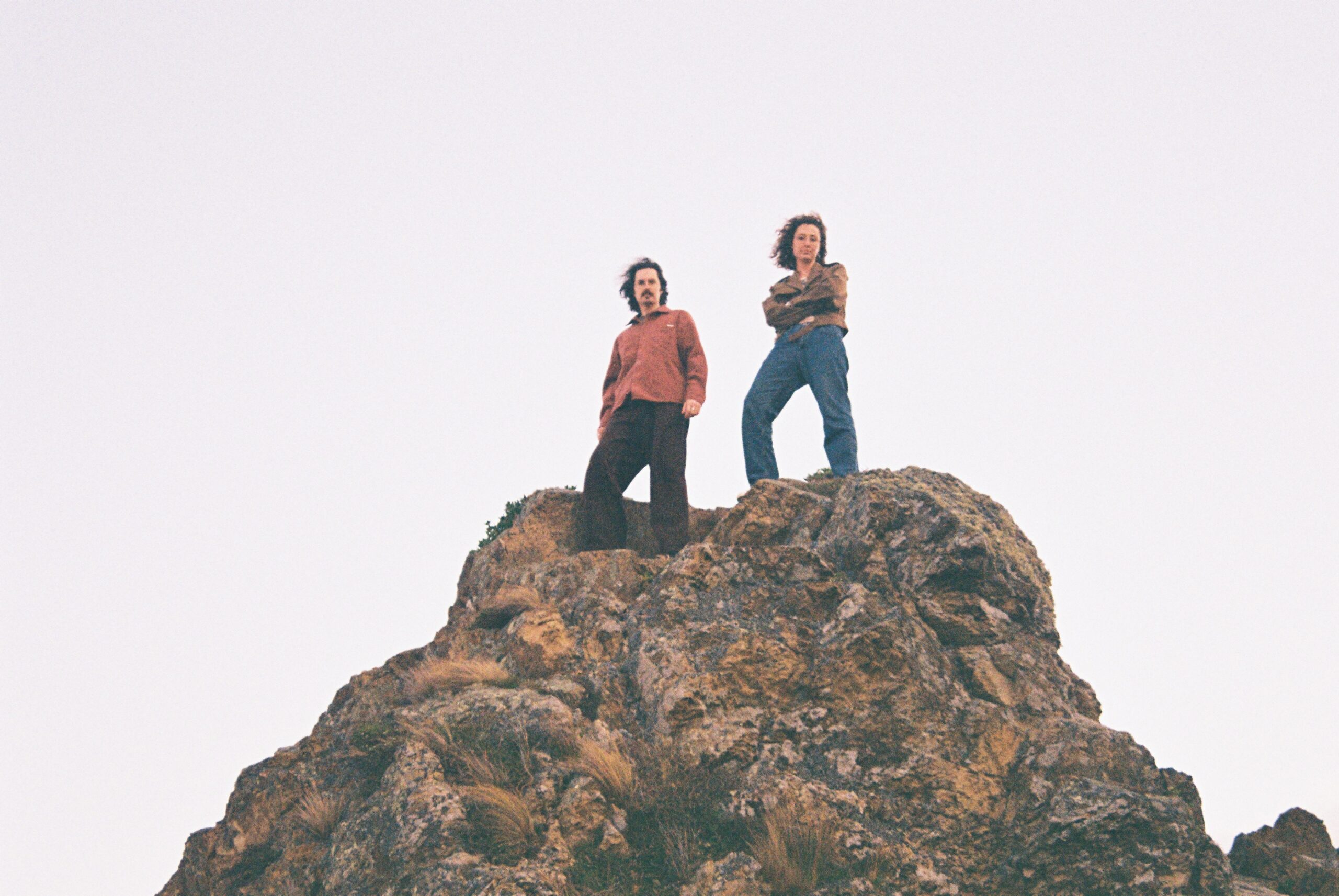
MNZ Interview: Bottom Bunk Club
Bottom Bunk Club
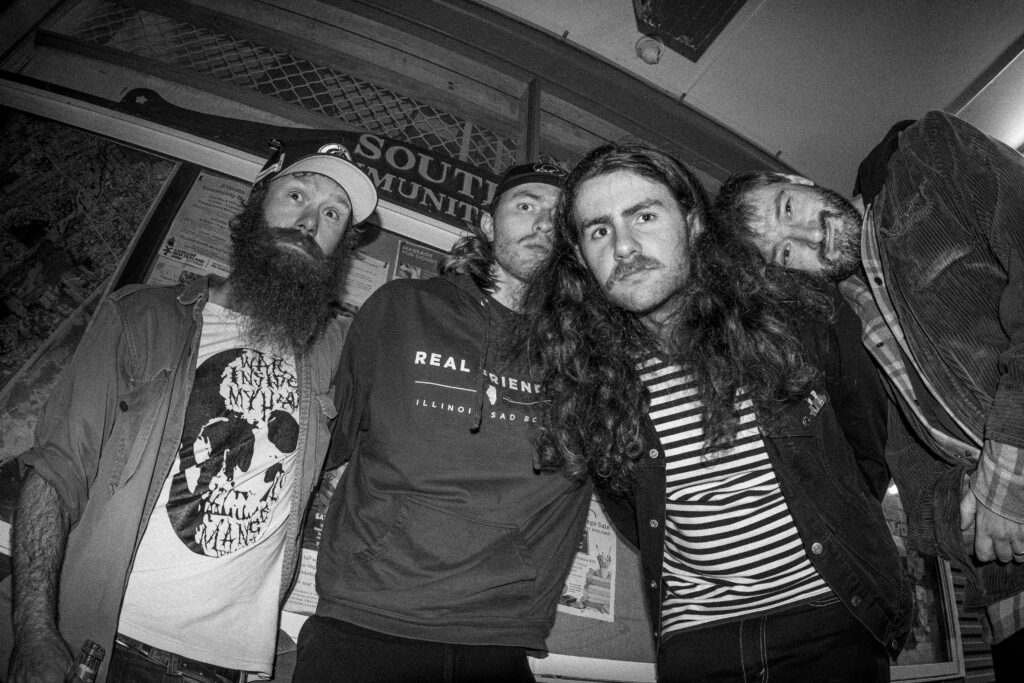
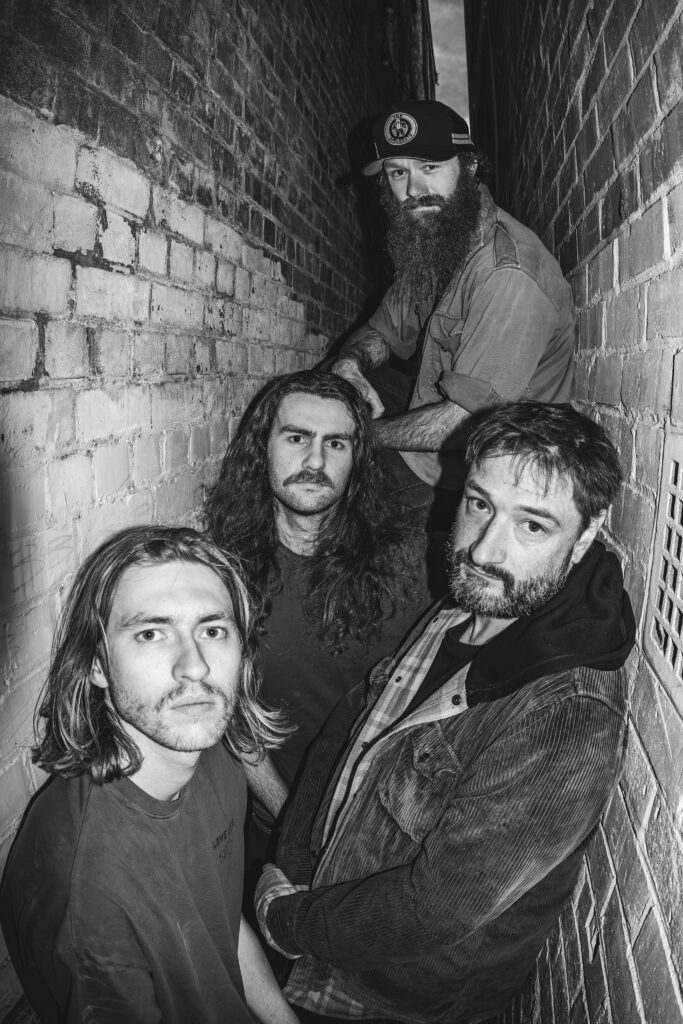
Bottom Bunk Club are a folk-punk anti-folk band from Pōneke, Wellington. Their sound blends punk energy with traditional folk and bluegrass instrumentation, often described as somewhere between Woody Guthrie and 90’s Green Day.
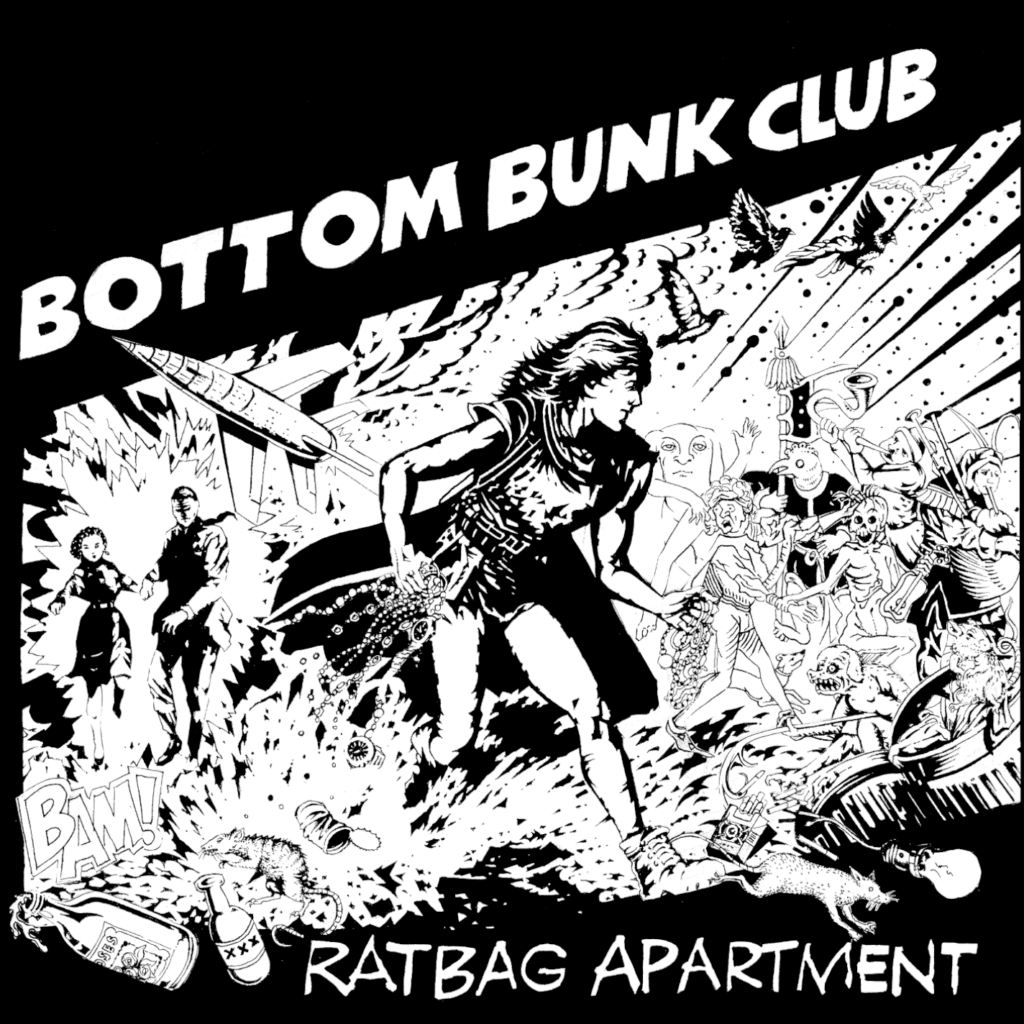
Their new album Ratbag Apartment continues that approach. The record moves between protest songs, personal stories, and social observations, all built around tight, sing-along melodies. Tracks include Golden Shower, a protest song about trickle-down economics, Hannah From Work, which focuses on workplace romance, Snoozebutton, about resisting the alarm, and Nosebleed, an account of artists living in unstable Wellington flats. The album also features Fem Fingrar Rabatt, sung entirely in Swedish, promoting self-sufficiency through shoplifting.
Ratbag Apartment is your debut album and captures the band at a moment of expansion and momentum. Tell us about the album and what this release represents for Bottom Bunk Club.
We’ve jokingly talked about how someday this will be our ‘early stuff’ and everything we do after this will never be as cool as it is now. Hoping that’s not the case! But you hear people talk like that all the time about various bands “Oh yeah their first two albums were great everything else sucks…” “Bro you should have seen this band like 15 years ago when they were actually cool…”
But yes, this is our debut album, and it represents who we are as musicians and songwriters at this very moment in time. Everything we like about music shows up in this album in some form: big catchy choruses, thumping bass lines, playing really fast, banjo noodling, songs that make you think, and songs that make you laugh.
Recording a debut album often forces decisions you can’t undo. Was there a moment during the Ratbag Apartment sessions where the band had to commit to a sound or approach that changed how you hear yourselves?
Often when we jam we will play the same song a few different ways, or sing different lyrics or change the delivery of the lines. It wasn’t so much a single big moment of commitment, but recording the album was essentially an endless stream of making small commitments. Is this the best line to sing? Is this the best take of that banjo part? Should this part be quieter or louder? How fast should this be? What should the title of this song be? Maybe in a parallel universe somewhere we put out this album and made all the opposite choices and came out with an even better album. But in this universe we’re pretty happy with the musical commitments we’ve made. And we’re happy with the other life commitments we’ve made too! (We have to say that last bit in case our partners are reading this)
Your music pulls from folk, punk, and pop-punk traditions. When you’re writing, are you consciously drawing from those worlds, or does the sound emerge more instinctively?
As we write, we tend to think about what would make this particular song even more kick-ass regardless of what genre it pulls. To answer your question though, a bit of both instinct and conscious choice would probably be closest to the truth. Everyone in the band has spent years playing in rock bands, and this is our first foray into exclusively acoustic music. Our songwriting ‘default’ is likely somewhere on the punk/pop-punk spectrum. We could probably re-record our songs with electric guitars/bass and a full drum kit and they would work just fine as rock songs. When we add the folk elements is where we find ourselves being more conscious and intentional. We’ve spent a lot of time trying to make guitar riffs sound good on a banjo, which is harder than it might seem!
The band started in a break room with a shared sense of frustration. How has that origin shaped your work ethic and the way you approach making music together?
Frustration is great fuel for protest songs. There is a strong tradition in both folk and punk music of the ‘protest song’ and I think you could classify many of our songs on this album as ‘protest songs’. While we do go for the obvious targets of protest songs, like economic inequality, and ineffective democratic systems and stuff like that, we also are very keen to protest the little things in life, like getting dumped, or having to wake up early to go to a lame job.
Lyrically, you balance humour, politics, and everyday awkwardness. How do you decide when to lean into sincerity and when to undercut it with humour?
It’s kind of a yin and yang situation really. Without sincerity nobody can relate to your song. Even if we write about a super specific situation that only ever happened to one person, the sincere emotions created by that situation are universal. If every song was a complete joke with no sincerity, it would be a comedy album. Nothing against comedy albums, we enjoy them very much, but that’s not the type of album we wanted to make.
The humour is our tool to take the edge off the sincerity. Telling a sad story in a silly way helps to squeeze a bit of joy out of an otherwise unpleasant experience. If our songs had nothing but sincerity and awkwardness, the album would sound like a cry for help.
As the band expanded from a duo into a quartet, how did that shift affect your creative process and the way arrangements come together?
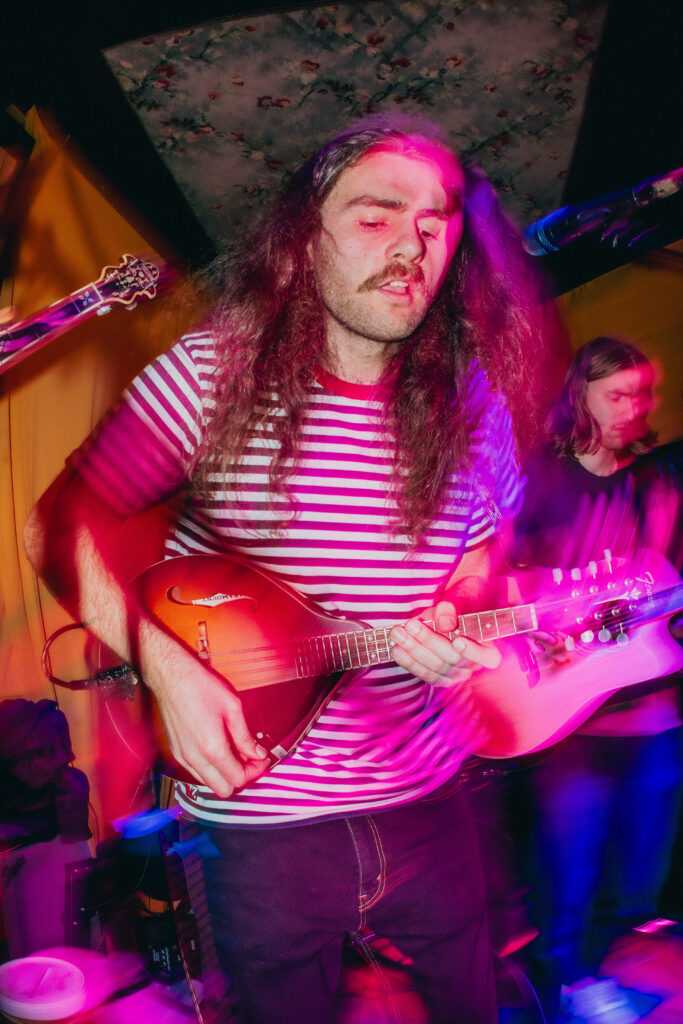
With more members there were more opportunities for interesting vocal and instrumental harmonies. Instead of choices like “Should this song have a mandolin solo?” We get to make choices like “Should this song have a mandolin solo, or a banjo solo, or a guitar solo, or all three?” In general, our song ideas usually start as pretty basic chord progressions with a vocal melody, and as a duo, they never went much past that stage. Simple songs are great, and our songs from the early days are still worth listening to, but the fact is with more people you can do more cool stuff in a song. Sometimes less is more, but other times more is more. For example, our first single “Puke” was recorded with three people singing, and our latest single “Golden Shower” was recorded with four people singing. What’s better than three people singing about vomit? Four people singing about urine of course! Maybe for the next album we will have five people singing about farts…
Do you apply the same creative thinking you use in songwriting to other parts of being a band, like how you present yourselves, communicate online, or connect with audiences?
Yeah, it does seem like we have a pretty consistent “voice”. As you noted earlier, our music tends to blend a bit of humour into our sincerity and that does come out in our stage banter, online presence and everything else as well. Like this interview is a pretty good example; we want to be sincere and answer your questions genuinely, but we’re having a really hard time resisting making dick jokes.
Touring can sharpen or expose a band very quickly. What have you learned about yourselves from playing Ratbag Apartment live around Aotearoa and Australia?
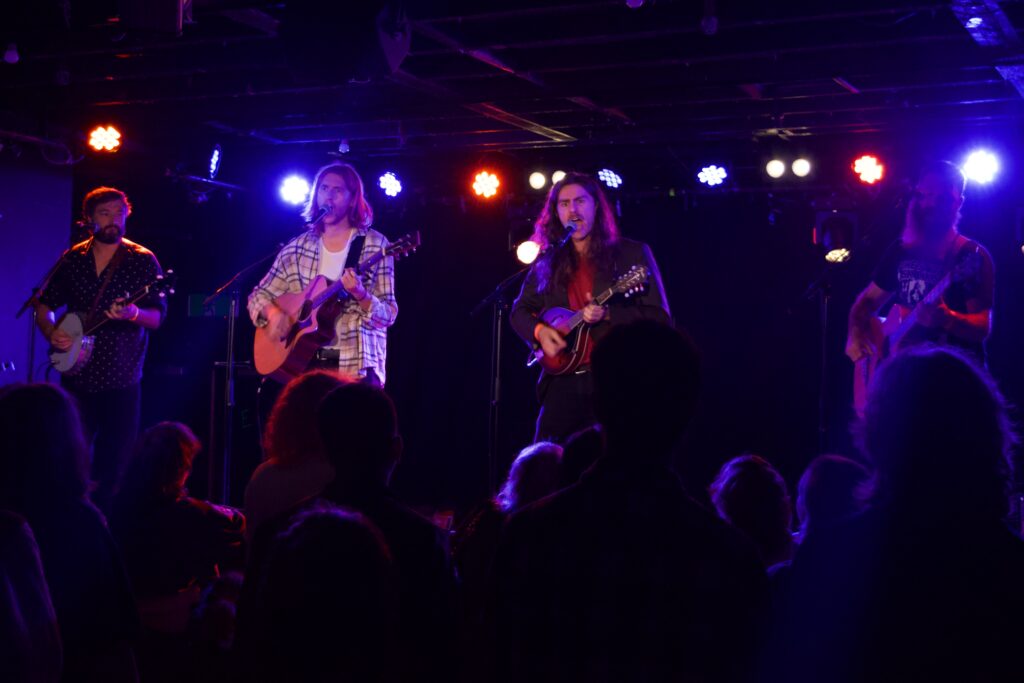
We’ve found the most important thing is to be authentic. Audiences can quickly sniff out when something or someone doesn’t quite feel authentic, we all know a poser when we see one. Since we kind of straddle two genres, we’ve played with a huge variety of other artists. We’ve played with a lot of punk bands that are way more punk than we are, they have way better tattoos and piercings than we do and they have been arrested way more times. We will never out-punk all the other punk bands. We’ve also played with some seriously talented folk artists who are experts in traditional music, and virtuosos with their instruments and have been touring since before we were born. We quickly realised we will never out-folk the folkies either. When we play our music, we play it like we mean it and we put our entire selves into it and that is what gets people’s attention and makes a memorable performance.
Where have you found the most traction so far in reaching audiences in Aotearoa, and have you noticed any differences when playing or releasing music across the Tasman?
The most traction we get is from gigs and audiences tailored to the folk-punk scene, which is its own beautiful thing! When we play strictly punk shows or strictly folk shows, we don’t quite fit in with the other bands and sometimes crowds don’t exactly know what to do with us. We win them over eventually, but it takes a few songs. When we play a folk-punk gig specifically, often in a small basement or at a flat party, the folk-punk people get it immediately, they don’t need time to process what we’re doing and they really help bring the energy of the gig to the next level. The biggest difference between playing to Kiwi versus Aussie audiences is that Kiwi audiences are nearly allergic to audience participation. Our songs are really easy and fun to sing along to, (we think at least) and it will usually take until the last few songs for the average Kiwi audience to really get into it and start dancing and singing along, whereas the Aussies are into it straightaway. We’ve noticed this at other gigs we’ve attended too, not just the ones we’ve played. Someone should do some sociological research here, sounds like a pretty easy PHD thesis project and a good excuse to go to a ton of gigs.
As the band has grown and solidified, what’s one internal shift, musical or interpersonal, that’s made Bottom Bunk Club stronger over the past year?
It sounds kind of dumb and obvious, but just picking a consistent time for band practice is super helpful. In the early days getting together to play was a bit haphazard and sporadic, and we kind of felt like we were stalling out as a band. Everyone still has a pesky day job, tons of other life commitments, and collectively we’re members of like 5 other bands, but once we decided Wednesday night is Bottom Bunk Club night, which made everything so much easier to plan around and we get so much more done. Like writing and recording an album!
Stream/Purchase Bottom Bunk Club’s new album Ratbag Apartment now at https://bottombunkclub.bandcamp.com/album/ratbag-apartment
Related Acts:
About the interviewer Shannon Coulomb
Shannon Coulomb is a Head of Music and curriculum specialist working at a national level in music education. He is also a member of Auckland-based recording project Impostor Syndrome, exploring analogue-driven sound and psychologically charged songwriting.
More by Shannon Coulomb
MNZ Interview: Cross Section S03 / E10 – Stephanie Brown / Play It Strange
MNZ Interview: Cross Section S03 / E09 – High Dependency Unit
MNZ Interview: Cross Section S03 / E08 – Cry Wolf

MNZ Interview: Cross Section S03 / E07 – Static
MNZ Interview: Cross Section S03 / E06 – Jazmine Mary
MNZ Interview: Cross Section S03 / E05 – Elleana Dumper
MNZ Interview: Cross Section S03 / E04 – Lisa Crawley

MNZ Interview: Cross Section S03 / E03 – Matthew Mottram
MNZ Interview: Cross Section S03 / E02 – Ripship